Ask a School Insurance Underwriting Expert is a quarterly column addressing insurance and risk management related questions for ABACC members.
If you have a question, please email hdiamantidis@wrightinsurance.com.


Ask a School Insurance Underwriting Expert is a quarterly column addressing insurance and risk management related questions for ABACC members.
If you have a question, please email hdiamantidis@wrightinsurance.com.

The beginning of a new academic year is an opportunity for colleges and universities to do more than prepare classrooms and welcome students. It is an important time to evaluate whether the institution is providing a safe, secure, and supportive educational environment for students, faculty, staff, visitors, and contractors.
Higher education presents unique safety challenges because campuses are often large, open environments with residence halls, laboratories, athletic facilities, parking areas, construction projects, research facilities, and events that bring large numbers of people onto campus. A comprehensive back-to-school safety program should therefore address both physical safety and the broader risks associated with campus life and academic activities.
Before students return, facilities should be inspected for hazards that may have developed during the summer.
Key areas include:
Any identified deficiencies should be documented, assigned to the department responsible, and corrected or otherwise controlled before the area is occupied.
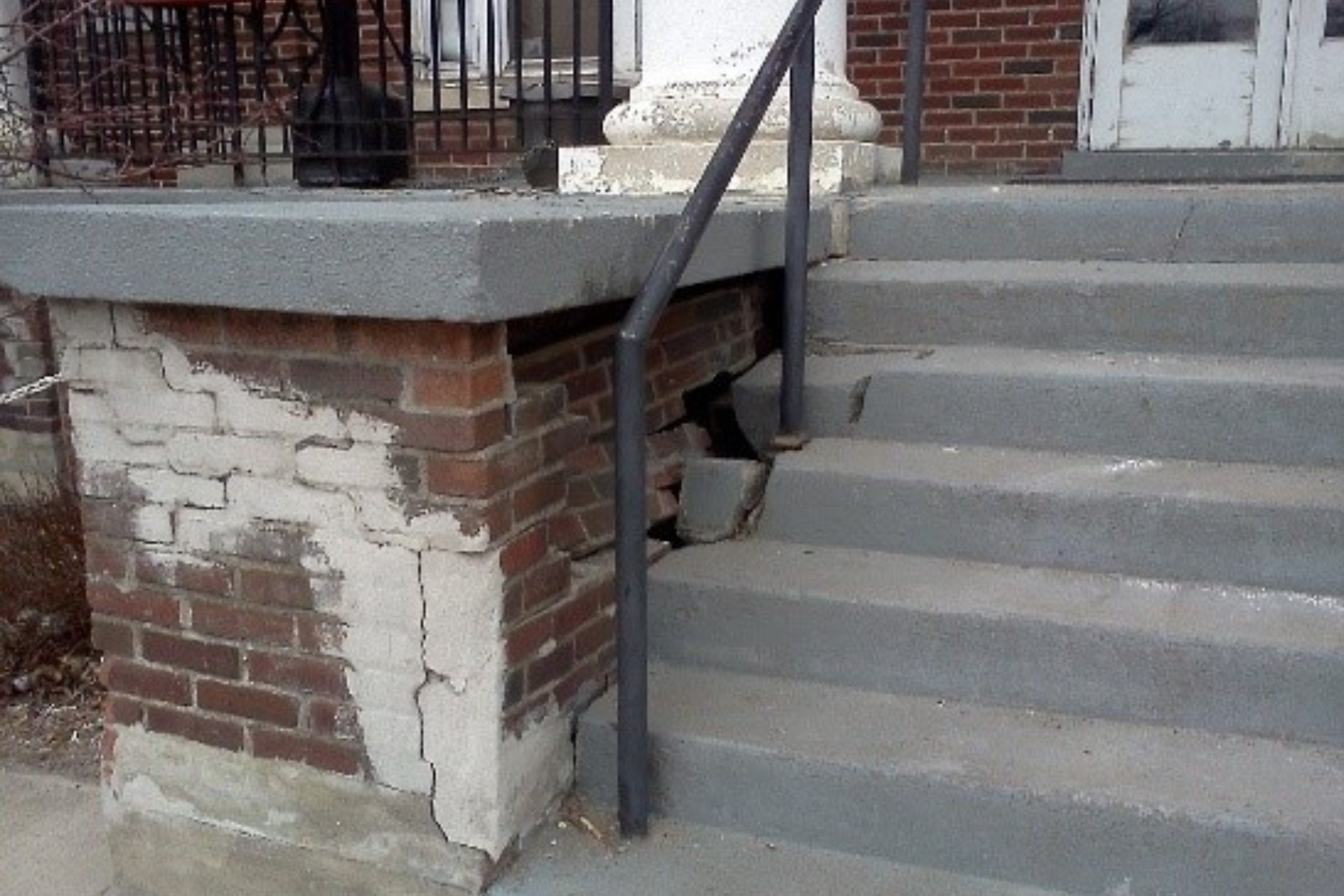
Slips, trips and falls are among the leading cause of liability losses to institutions of higher education. Some of the most common campus injuries can result from seemingly ordinary conditions.
Facilities personnel should look for:
A good preventive-maintenance program can eliminate many hazards before someone is injured. All employees should be encouraged to be on the lookout for slip, trip and fall hazards and know the procedure for reporting them to be corrected.
Students and employees should know what to do during an emergency. Colleges should review their procedures for:
Emergency procedures should be communicated in language that students can easily understand. Drills and exercises should be conducted periodically rather than relying solely on written policies.
Campus security should be reviewed before the academic year begins.
Areas to review before the start of the new academic year include:
Attention should be given to individuals who have access to buildings when students and employees are not present and the controls necessary to manage this exposure.
Higher education often involves activities that are not normally found in K–12 schools. Laboratories, engineering programs, health sciences, research facilities, shops, agricultural programs, and other specialized areas may involve significant hazards.
Safety is not limited to preventing physical injuries. Colleges should make students aware of available resources for physical and mental well-being.
Students should know how to access:
Faculty and staff should also understand how to respond when a student appears to be experiencing a serious problem or emergency.
The first and last weeks of the semester can create significant traffic congestion.
Institutions should review:
Drivers should be reminded that students may be unfamiliar with campus traffic patterns, particularly during the first few weeks of school.
Establishing clear rules for student activities. Student organizations, athletic programs, field trips, study-abroad programs, outdoor activities, and special events create unique exposures. By establishing clear rules, policy and procedure, these activities can be better monitored, evaluated and controlled, limiting liability exposures.
Before approving an activity, the institution should determine:
Contracts with outside vendors should also be reviewed for appropriate insurance, indemnification, safety requirements, and responsibility for injuries or property damage.
Students should receive practical safety information during orientation and throughout the academic year on ways to stay safe and take necessary precautions.
Topics to be reviewed should include:
The goal should not be to frighten students but to give them the information and resources necessary to make safe decisions.
The beginning of the academic year is also an appropriate time to review the institution's insurance program and risk-management procedures. The institution’s insurance professional is an excellent resource to aid in this process.
Consider whether coverage and procedures adequately address:
Certificates of insurance should be obtained and reviewed when appropriate. However, institutions should remember that a certificate alone does not necessarily establish that the desired coverage or contractual protection actually exists. Use your insurance agent or broker for this review.
Before students arrive, higher-education administrators should ask:
A safe educational environment does not happen by accident. It is the result of planning, inspection, training, communication, supervision, and continuous improvement. The start of a new academic year provides colleges and universities with an ideal opportunity to identify hazards, correct deficiencies, update emergency plans, educate the campus community, and reinforce the institution's commitment to safety.
The objective should be simple: create an environment where students can learn, faculty can teach, and employees can work with the reasonable expectation that the institution has taken appropriate steps to identify and manage foreseeable risks.
About the Author: Kevin Beer is president of Wright Specialty Insurance, an underwriting manager of specialty insurance and risk management solutions for public and private universities, colleges and K-12 schools. Visit their website or call (877) 976-2111.







Association of Business Administrators
of Christian Colleges
4578 Hidden Ridge Drive
Hudsonville, MI 49426
(877) 303-8666

Fulfill your calling, solve challenges, and maximize resources to accomplish the mission of Christian higher education.