Risk Management Strategies for Christian Colleges: Reducing Incidents and Containing Costs
This article is based on the ABACC webinar “Incident Reduction and Cost Containment: Risk Management Strategies for the Christian Organization” presented by experts from Educational & Institutional Insurance Administrators (EIIA).
Christian colleges and universities are facing an increasingly complex risk landscape. From severe weather events and rising insurance costs to employment claims, student safety concerns, and cyber threats, institutions today must balance mission-focused leadership with proactive operational stewardship.
Experts from Educational & Institutional Insurance Administrators (EIIA) recently shared insights on the evolving risks impacting private Christian colleges and universities, along with practical strategies institutions can use to reduce incidents, strengthen campus safety, and contain costs.
Many of the challenges facing higher education today are not isolated incidents. Property losses, liability claims, employment concerns, and operational disruptions are becoming more common across campuses nationwide. At the same time, insurance markets are becoming more restrictive and more expensive, creating additional pressure for institutions already navigating financial and operational challenges.
The good news is that proactive risk management can make a significant difference. Through stronger communication, better training, thoughtful planning, and consistent policies, colleges can reduce vulnerabilities while creating safer and more resilient campus environments.
The Insurance Environment Is Becoming More Challenging
Insurance markets across higher education have changed significantly in recent years. According to the presenters, rising property losses, severe weather events, larger legal settlements, and increasing claim frequency have all contributed to higher insurance costs for colleges and universities.
Institutions are experiencing:
- Increased property insurance premiums
- Higher deductibles and retentions
- More restrictive coverage terms
- Greater scrutiny from insurance carriers
- Rising legal settlement costs
One major factor driving these increases is what experts described as “social inflation,” where legal settlements and jury awards are growing faster than standard inflation rates.
This trend has impacted higher education institutions across the country, particularly in areas involving liability, employment practices, and student safety.
Common Risks Facing Christian Colleges
Several recurring categories of claims continue to affect private colleges and universities.
General Liability Risks
Many campuses regularly encounter liability exposures tied to daily operations and student activities, including:
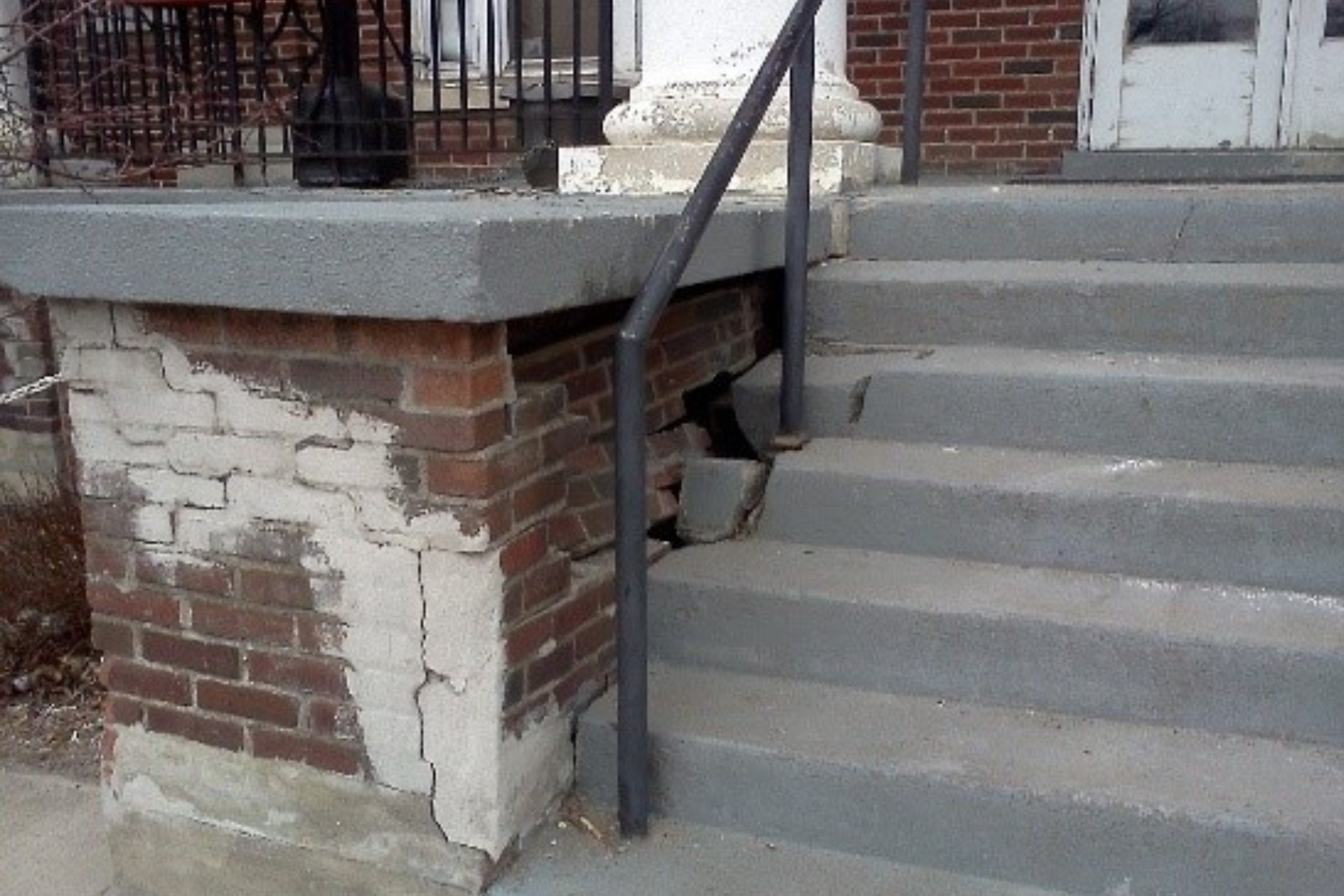
- Slips, trips, and falls
- Recreational and intramural sports injuries
- Golf cart accidents
- Summer camps and youth programs
- Event-related injuries
- Sexual misconduct claims
Even well-intentioned decisions can create significant institutional exposure when proper procedures are not followed consistently.
One recurring issue discussed involved campus events and third-party vendors. In many cases, institutions unintentionally increase their risk when contracts, insurance requirements, or approval processes are overlooked during event planning.
Employment and Educators Legal Liability Concerns
Employment-related claims continue to increase throughout higher education. Common issues include:
- Wrongful termination claims
- Retaliation allegations
- Discrimination complaints
- Title IX process concerns
- Inconsistent HR practices
- Lack of supervisor training
Many of these claims become far more difficult when institutions fail to document processes thoroughly or do not follow their own policies consistently.
High turnover in leadership and administrative roles has also created additional challenges for campuses. When policies are not clearly communicated during transitions, institutions can unintentionally create inconsistencies that later become legal vulnerabilities.
Property Losses and Weather-Related Risks
Property claims remain one of the largest insurance cost drivers for colleges and universities.
Common causes of property losses include:
- Frozen pipes
- Water damage
- Hail and windstorms
- Hurricanes and tropical storms
- Fire losses
One example discussed involved widespread freeze-related damage that occurred during holiday campus closures when buildings were largely unstaffed and water leaks went undetected for extended periods of time.
The presenters emphasized that proactive facility management and emergency preparation can significantly reduce the severity of these losses.
Why Communication and Training Matter
A major theme throughout the discussion was the importance of communication flow across campus departments. Many institutional failures occur not because policies do not exist, but because critical information never reaches the right people.
This becomes especially important during times of employee turnover in areas such as:
- Human resources
- Student affairs
- Facilities management
- Title IX coordination
- Event planning
- Campus safety
Effective risk management depends on strong communication systems, consistent training, and clearly defined responsibilities.
Training was identified as one of the most effective tools institutions can use to reduce preventable incidents. Ongoing education helps employees and students better understand expectations, identify risks early, and respond appropriately when issues arise.
Practical Risk Management Strategies for Colleges
Several actionable strategies can help institutions strengthen their campus risk culture and reduce vulnerabilities.
Strengthen Event Planning and Vendor Oversight
Institutions should ensure all campus events and third-party activities follow formal approval processes that include:
- Contract review procedures
- Vendor insurance requirements
- Risk transfer language
- Campus safety involvement
- Student organization oversight
Review and Update Policies Regularly
Outdated handbooks and inconsistent procedures can create major vulnerabilities during investigations or litigation. Colleges should routinely review:
- Employee handbooks
- HR procedures
- Title IX policies
- Emergency response plans
- Facility use agreements
Improve Crisis Preparedness
Institutions should know in advance:
- Who responds to incidents
- Who communicates externally
- When insurance carriers must be notified
- How investigations are documented
- Which outside experts or legal counsel should be contacted
Invest in Preventive Facility Management
Routine maintenance and proactive inspections can help reduce costly property losses. Institutions should identify vulnerable infrastructure before severe weather events occur and establish relationships with restoration vendors ahead of time.
Building a Stronger Risk Culture
Risk management is no longer simply an insurance function. It is an institution-wide responsibility that impacts every department across campus.
Strong risk management practices help colleges:
- Protect students, employees, and visitors
- Reduce financial exposure
- Improve operational resilience
- Strengthen institutional sustainability
- Support long-term mission success
For Christian colleges and universities, thoughtful stewardship extends beyond finances alone. It includes protecting the people, resources, and mission entrusted to the institution.
As higher education continues to navigate growing operational complexity, proactive risk management strategies can help institutions remain resilient, prepared, and mission-focused for years to come.
About EIIA
Educational & Institutional Insurance Administrators (EIIA)
is a member-governed consortium of private, faith-inspired colleges, universities and seminaries committed to protecting the promise of higher education through the delivery of innovative insurance and risk management solutions to its Members.
For more information, please visit
www.eiia.org.