How to Empower Your Organization Through Health Benefits & Measure the Positive Impact
In today’s ever-evolving business landscape, a core element that stands the test of time is investing in the wellbeing of employees. With rising healthcare costs and the myriad health concerns that life presents, organizations are finding themselves at the nexus of responsibility and opportunity. By directing resources towards health benefits and subsequently measuring their impact, we can significantly elevate both the morale and productivity of our workforce. However, diving into this essential yet expansive area requires a blend of caution, information, and diligence. Let’s discuss how organizations can leverage the power of health benefits to create a positive impact on their people.
Unlocking More Resources Through Health Benefits
It’s crucial to grasp that investing in health benefits is not merely a cost but a strategic allocation of resources. When it comes to budgeting and fiscal management within an organization, health benefits often appear as a significant expenditure line. However, reimagining health benefits as more than just an expense allows organizations to see it in a new light: a powerful, strategic investment. By investing in the health and well-being of employees, companies are inherently investing in the foundation of their organization, as employee health directly correlates with productivity, satisfaction, and loyalty.
Collaborate with Experts
Venturing into the world of health benefits without guidance can be a difficult task for many organizations. For example, health benefit consultants can provide insights into the most cost-effective and impactful benefit plans available.
Investing in Employees: Beyond Just Salaries
Health Is Wealth
Benefits aren’t just about the monetary value but about the message they send. Offering comprehensive health benefits shows employees that their well-being is a priority. While salaries are a straightforward representation of an employee’s value to the company, health benefits offer a deeper, more profound message. They signal an organization’s recognition that an employee’s worth goes beyond just their professional output. By providing comprehensive health benefits, companies communicate that they view employees not just as assets, but as individuals with holistic needs.
Tailored Plans for Diverse Needs
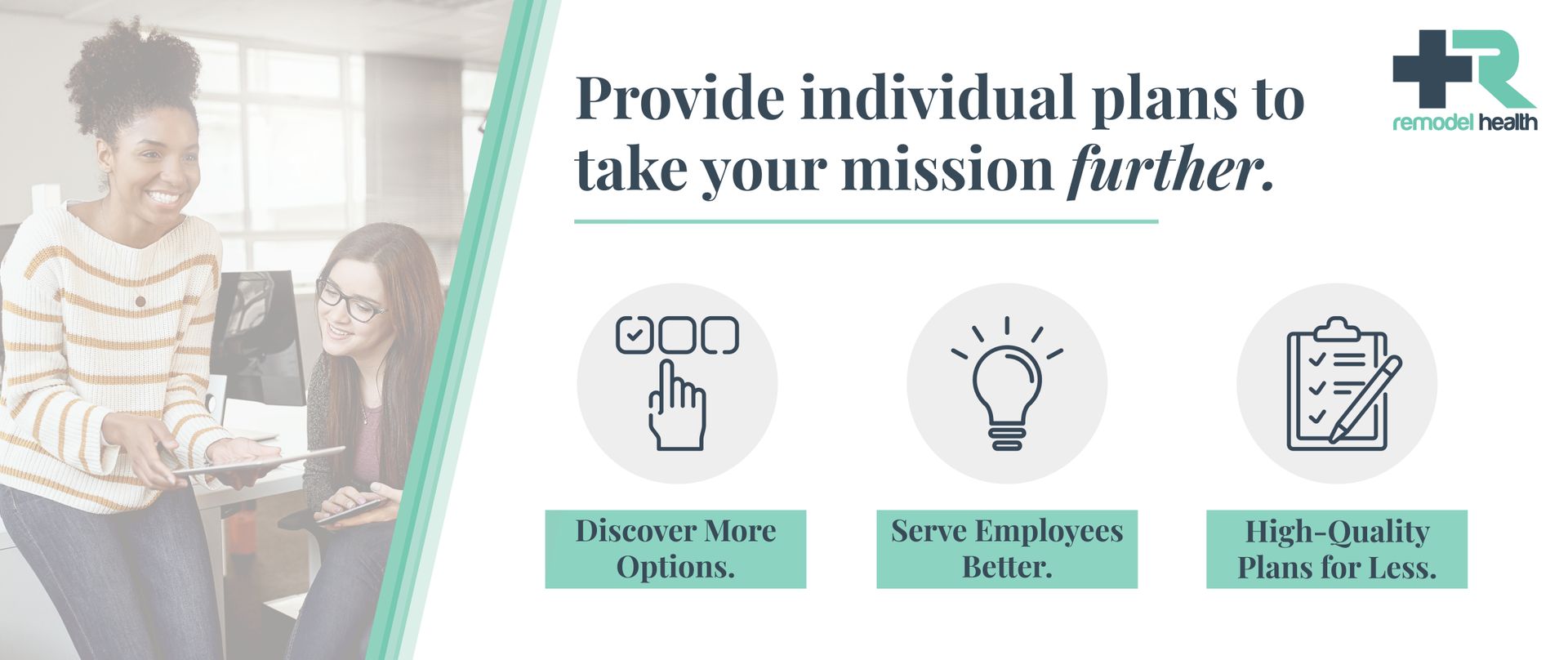
Each employee is unique, and so are their health needs. Consider implementing flexible benefit plans that allow employees to choose what suits them best, be it mental health support, physical wellness programs, or chronic condition management. Recognizing the individuality of each employee means acknowledging the varied health requirements they might have.
Ongoing Education
When employees are educated about their health benefits, they’re empowered to make informed decisions. This knowledge can lead to better utilization of resources, ensuring that employees are getting the maximum benefit from what’s offered to them. As an organization that values its team, it’s essential to regularly educate employees about their health benefits. Regular workshops, seminars, and information sessions can ensure that they make the most of what’s on offer. Ultimately, investing in the comprehensive well-being of employees, both in terms of monetary compensation and health benefits, paints a picture of an organization that truly values its workforce.
The Impact Report: Measuring the Return on Investment
Not measuring the impact of your health benefits can leave organizations in the dark about their true value. Crafting an Impact Report serves as your organization’s opportunity to clearly communicate this value.
What to Measure
Begin with the basics. How many employees are utilizing the health benefits? What’s the feedback on the available services? Then, delve deeper. Is there a noticeable increase in morale and productivity? Additionally, it’s important to note that transparency in reporting the impact of health benefits is vital. Honest reporting ensures trust and helps in refining strategies. When creating your own Impact Report, you can include data-driven stories of transformation from your employees, an inspiring vision for the future, and a clear call to action.
Additionally, it’s important to measure the impact of the dollars you’ve saved on your health benefits. How have you reallocated these savings? How has this benefitted your organization? How have you been able to further your mission? These questions allow you to measure the full impact of investing in your people and organization without breaking the bank.
What You Gain
An Impact Report not only serves as a source of inspiration and information, but it also allows your organization to gain assets. Some of these assets include internal alignment, incorporation of valuable change, and organizational growth.
It’s important to remember that the journey to robust organizational health is a continuous one. Keep reviewing, keep refining, and above all, keep prioritizing the well-being of those who make the organization what it is:
its people.
Are you ready to learn how to transform your organization’s health benefits? Experience the significance of comprehensive benefits and see a real-life example of an Impact Report.
Click here to see how Remodel Health has made an impact by providing individual health insurance and subsequently saving over $100 million for their customers.